-
Recommended
Products推 荐 产 品
以匠人之心打造传世精品,探究未知的世界
除腥 灭菌 保鲜臭氧微纳米气泡清洗机
Food processing ozone micro nano bubble cleaning machine
超氧微纳米气泡能够深入食材内部,与食材中的腥味物质如硫化氢、三甲胺等发生氧化反应,将其分解为无味或气味较轻的物质,从而有效去除食材的腥味和异味。这种技术不仅适用于肉类,还能应用于水产等食材,提升食材的品质和口感。

-
Recommended
Products推 荐 产 品
以匠人之心打造传世精品,探究未知的世界
湿法氧化超氧微纳米气泡废气处理装置
Wet oxidation superoxide micro nano bubble waste gas treatment device
湿法氧化超氧微纳米掐破废气处理,恶臭废气处理,上海恶臭废气处理厂家

-
Recommended
Products推 荐 产 品
以匠人之心打造传世精品,探究未知的世界
微纳米气浮机
Micro nano bubble air flotation machine
微纳米气泡是直径微米和纳米级别的细小气泡,微纳米气泡在水中上升速度慢、停留时间长、溶解效率高,并具备自增氧、带负电荷和富含强氧化性的自由基等特性。悬浮物的吸附去除微纳米气泡不仅表面电荷产生的电位高,而且比表面积很大,因此将微纳米技术与混凝工艺联用在废水预处理中,对悬浮物和油类表现出了良好的吸附效果与高效的去除率。

-
Recommended
Products推 荐 产 品
以匠人之心打造传世精品,探究未知的世界
养殖微纳米气泡增氧机
Micro nano bubble aerator for aquaculture
微纳米气泡上升速度慢(滞留性),微纳米气泡在水中上升速度很缓慢,微气泡从产生到破灭需经数十分钟,纳米级气泡可停留数百小时,直径1mm的气泡在水中上升的速度为6m/min,而直径10μm的气泡在水中的上升速度为3mm/min,后者是前者的1/2000。

-
Recommended
Products推 荐 产 品
以匠人之心打造传世精品,探究未知的世界
微纳米气泡富氢水机
Micro nano bubble hydrogen rich water machine
众净ZJC-NM系列微纳米气泡富氢水装置采用旋回逆流与多相涡流气液剪切技术按照流体力学计算为依据进行结构设计的,在进入逆流发生器的气液混流体在压力作用下再进行二次超高速旋转生成微纳米富氢水,并在逆流混合器的中部形成负压轴,利用负压轴的吸力可将氢气接入到负压轴上

-
Recommended
Products推 荐 产 品
以匠人之心打造传世精品,探究未知的世界
微纳米气泡废气处理设备
Micro nano bubble waste gas treatment equipment
超氧微纳米气泡受到环境中的物理(水的流动过程产生的压缩和膨胀、旋涡流等)的刺激后,会因瞬间(约10的-9次方秒)绝热压缩而产生约10个大气压的超高压和在分子间达4400℃超高温的极限反应场。将电离现象特有的超氧化物和活性氢氧,其微电能够将空气中的水分子生成大量的羟基负离子

-
Recommended
Products推 荐 产 品
以匠人之心打造传世精品,探究未知的世界
微纳米气泡曝气机
Micro nano bubble aerator
微纳米气泡净水技术是指将含有微米及纳米气泡的水混合到水中曝气,是近年来发展的一种绿色环保、无二次污染的水处理技术。微纳米气泡与普通大气泡相比较,微纳米气泡具有独特的物理化学特性,比表面积大、表面带电荷、水体中存在时间长、气液传质率高、界面点位高、能自发产生自由基等。在水处理中常应用于悬浮物的吸附去除、难降解有机污染物的氧化分解、向水体复氧促进生物活性以及减少底泥内源污染等方面。

-
Recommended
Products推 荐 产 品
以匠人之心打造传世精品,探究未知的世界
实验微纳米气泡发生器
Experimental micro nano bubble generator
ZJC-NM系列小型实验微纳米气泡发生器是根据科研实验室水样较少而开发的,可对少量液体进行进行测试,小型微纳米气泡发生器流量可调节,根据用户不同需求可添加多种气体种类(空气、氧气、臭氧、氢气、二氧化碳、多种混合型气体等)。

-
Recommended
Products推 荐 产 品
以匠人之心打造传世精品,探究未知的世界
农业灌溉微纳米气泡发生器
Micro nano bubble generator for agricultural irrigation
微纳米气泡发生技术是利用微纳米气泡生生装置将气体可快速高效溶入水中产生超饱和微纳米气泡水。微纳米气泡的显著特点是其在水中上升缓慢,停留时间长,并产生自我压缩,在水中具有很高的溶解度,并且微纳米气泡具有促进植物生长的生理活性,提高植物的生长率、增强根系的活力、促进根系的生长发育。

-
Recommended
Products推 荐 产 品
以匠人之心打造传世精品,探究未知的世界
纳米气泡牛奶浴机
Nano bubble milk bath machine
微纳米牛奶浴形成是通过机械物理转化技术,将常规的水转换为乳白色的微纳米气泡含超饱和氧水。纳米牛奶浴机的原理就是运用水分子对撞,再用超高频磁波切割,使水分子与微气泡接近纳米化,产生负离子、磁化水,及降低水中氯的成份。由于富含微纳米气泡负离子、纳米水分子因此得以迅速渗透肌肤毛细孔,除去全身老旧角质,进行深层清洁。


公 司 简 介
Company profile
上海众净环保科技有限公司
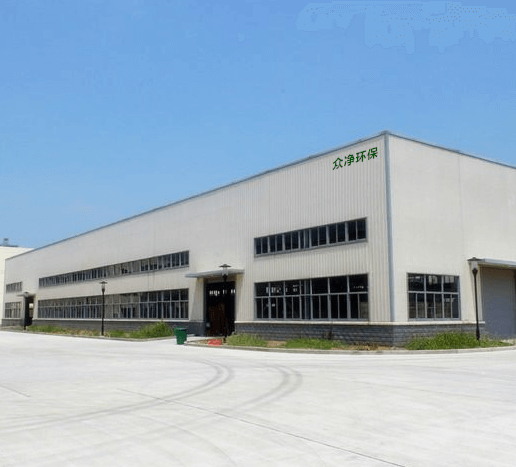
众净,环境治理者 上海众净环保科技有限公司,专业从事臭氧发生器、注入式等离子废气处理设备、微纳米气泡发生器、臭氧微纳米气泡发生装置、废气处理、污泥处理、除尘、光化学氧化技术的研究和应用,是集研发、制造、销售、服务为一体的现代化高科技企业,拥有环境污染治理设施运营资质、环保工程总承包资质和环境工程设计资质等,一直致力于研究与治理“因工业与城市化而产生的有毒、有害、有臭味的各类废气”, 并在“科技美化自然”的企业宗旨下,不断完善与创新治理废气、臭气污染的产品研发,为我国环保事业开创国际技术,成功树立起治理环境污染的专家形象。 众净,环保科技研发者 众净自主研发出广泛应用于不同行业领域的臭氧发生器、注入式等离子废气净化设备、微纳米气泡装置、除尘(除雾)器、油烟净化器、光氧离子净化器、脱硫脱硝等多高科技的环保产品,包括针对恶臭异味废气、污水站废气、污泥干燥废气、发酵废气、印刷废气、车间内循环废气制药厂废气、泵站硫化废气、实验室废气、锅炉废气、垃圾填埋场、中转站、垃圾渗滤液臭气、污染源的处理产品,以及适用涂装、印刷、漆包线、化工、包装、污水等有机废气、无机废气等除臭需求的各类高科技含量产品,为国内环境治理持续提供科技、应用广泛的专业环保产品。 众净,生态环境捍卫者 以实际应用为核心,以科技研发为驱动,以先进产品为支撑,以环境净化为目标,在未来的环保事业进程中,众净环保科技有限公司将持之以恒地在环保领域不断创造,以品质、诚信、实力打造中国环保品牌,为保护生态,环境净化提供更多产品与技术,为“绿色地球”的人类共同使命而贡献力量!
案例展示
以匠人之心打造传世精品,探究未知的世界


新闻资讯
以匠人之心打造传世精品,探究未知的世界


QQ在线客服
- 在线咨询


联系电话
- 139 5112 7702
- 139 5112 7702